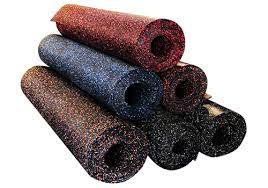
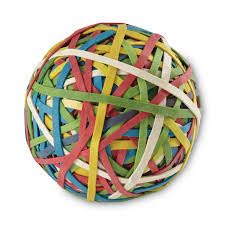
It all began in 1600 B.C., when sap was extracted from rubber trees by Mesoamericans to make the earliest known forms of rubber. At this time, rubber was primarily used for waterproofing, while the Mayans and Aztecs found it very beneficial to make balls for their sporting events. In the 1700’s scientists in France, England and Italy continued to explore and expand uses for rubber, however, they were still very limited.

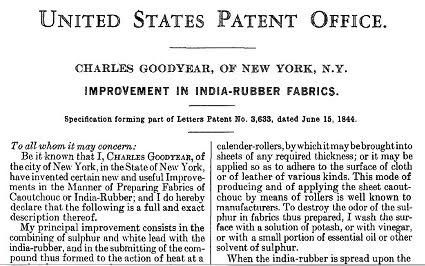
Everything changed for the better in 1839, when Charles Goodyear modified the properties in rubber. Charles Goodyear achieved this by using a chemical process of sulfur vulcanization, which not only improved the durability and elasticity but it also created a stable synthetic form of natural rubber.

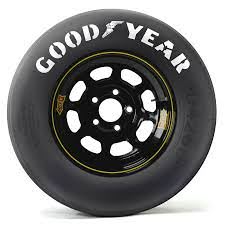
This synthetic began to be utilized for car tires, medical gloves and a wide variety of household and industrial items. Eventually, seeds were exported from South America to different parts of the world.
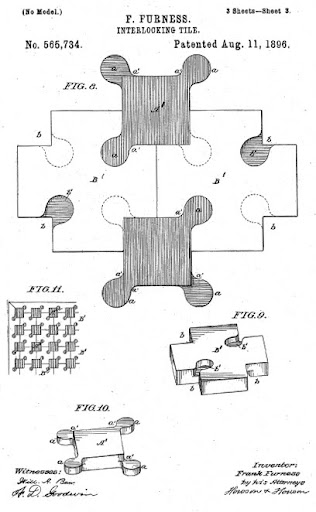
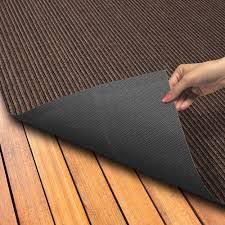
Rubber was expanded again in 1896, when Frank Furness patented the first rubber interlocking flooring tile. Originally, in 1896, rubber tiles were predominantly used in the automotive trade as floor mats and first introduced to the flooring industry as rubber backing on carpet.
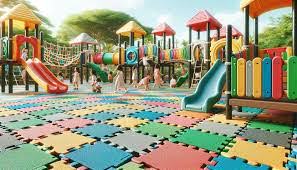
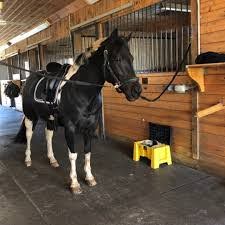
However, rubber still was not popular until after World War II when it finally was incorporated in hospitals, schools, sporting facilities and many other spaces with strict requirements. Many of these businesses benefited from the characteristics that rubber offered, such as water resistance, durability and anti-static just to name a few. Today, rubber flooring and mats are highly recommended for many industries. For example, rubber mats are warmer and quieter than gravel or concrete, so rubber has become a must have at the horse stables. Rubber flooring has good traction and insulation which helps provide a level of safety and comfort for horses. Rubber flooring can also assist in preventing wear and tear on floors and hooves. Rubber flooring is categorized as resilient flooring due to its elasticity. The anti static properties makes rubber flooring a no-brainer at the gym or anywhere else that you plan on standing for long periods of time or have lots of movement, such as a dance floor. Stay worry free, rubber floors are easy to clean and maintain, so feel free to robot all night long.